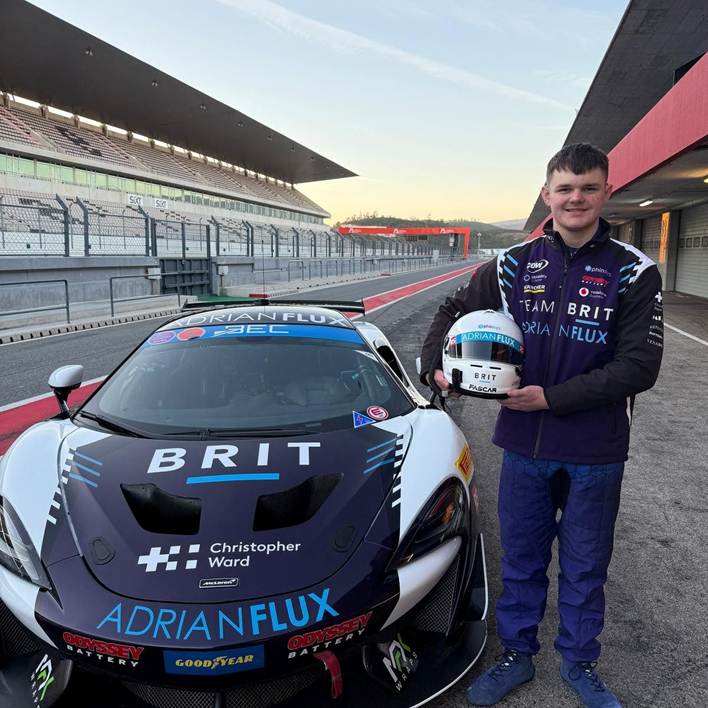
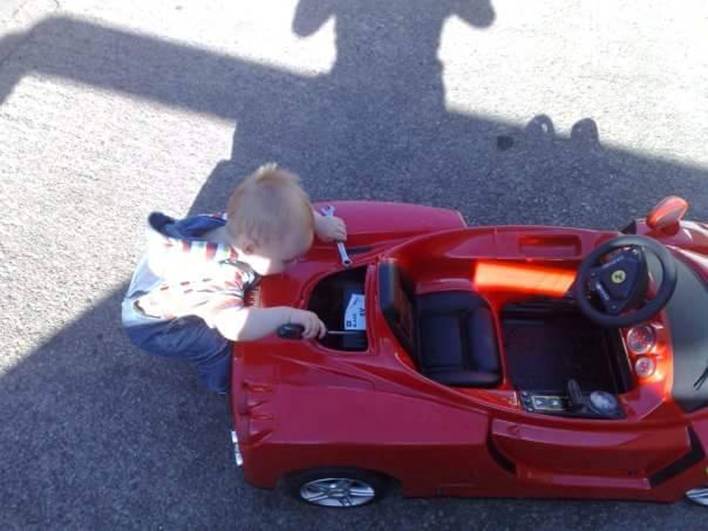
Caleb McDuff, born in Pontypool (Wales) 17 years ago, has been involved with motorsports almost since birth. At just 18 months old, he drove his first electric car. At the age of four, he got behind the wheel of his first go-kart. But that vehicle didn’t come out of nowhere. Ian McDuff, his father and close friend, bought it for him as a Christmas present.
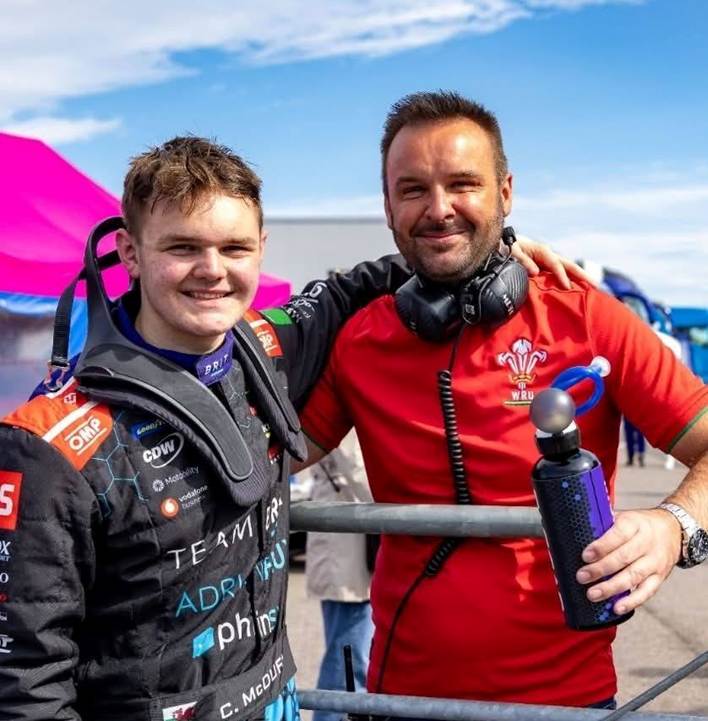
“My dad has helped me a lot. Obviously, he paid for, pretty much, all of my races. He’s been supporting me with sponsors. He’s always been by my side, and if it weren’t for him, I don’t know what I’d be doing”. But besides supporting him in his sporting endeavours, he’s also been of great help in his personal life. “The support has been great,” says Caleb.
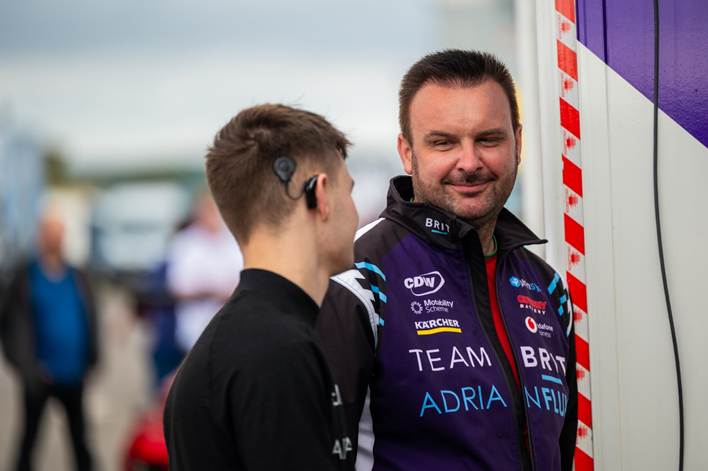
His family has spoken with helmet manufacturers to find a suitable model. This is extremely important for all drivers, from a Formula 1 champion to an amateur. But for Caleb, it’s even more so, because he needs to use cochlear implants due to his profound deafness.
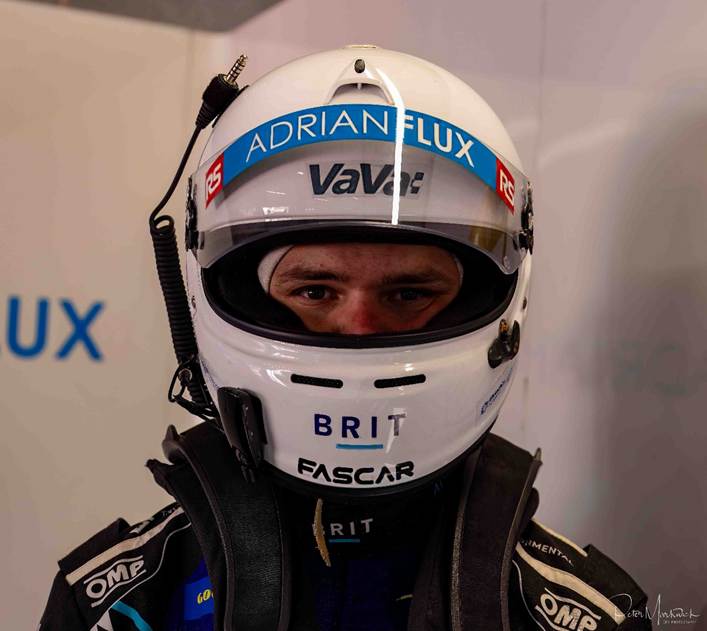
In the world of Grand Touring, he is the only UK driver with this disability. “Being deaf has made me very unique, compared to almost everyone else; but my main goal is to inspire more deaf people. I try to encourage them to take up sports”.
Caleb claims to not have disability-related personal difficulties. “I simply socialize with others, like any other normal person. (…) The only problem is having to use the mini microphone, which is necessary for communication between the team and the driver. (…) But, with my cochlear implants, I have practically the same advantage as everyone else”.
“I don’t feel underestimated,” the driver adds. “I feel just as happy as everyone else. I feel included. I never think, ‘Oh, I’m deaf, I can’t do this’. Half the time, I forget I’m deaf: that’s how well I hear. I just fit in with everyone else”.
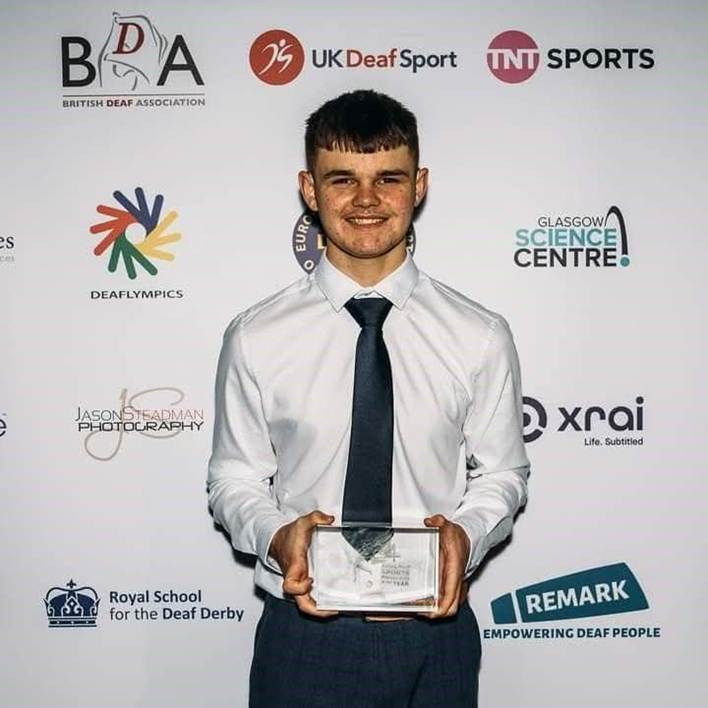
The McDuff family has now also gone international. “I’m glad I had the opportunity to race in the United States,” the Welshman said about the Veterans Race of Rememberance in early November, in which he participated behind the wheel of a Ford Mustang.
The race, held at Virginia International Raceway, was his first outing outside of the United Kingdom. But despite this, he managed to finish third overall. “Right off the bat, the handling wasn’t the best, and it was hard to drive. But fair play to the team: they fine-tuned the car, and everything worked out”.
As for his future in motorsport, Caleb has his sights set very high. “I’d like to compete in the BTCC. That’s the highest level I can reach. So, if I can do it, I will. That’s my biggest goal so far”. The prestigious British Touring Car Championship, which has had Formula 1 drivers such as John Love become victors there, has been running continuously since 1958.
“Currently, we’re working hard to get Caleb into the Porsche Carrera Cup GB next year,” says his father, Ian. “That’s our short-term goal, and we’re working with sponsors. Hopefully, he’ll be there in 2026: that will prepare him for his future goals in the BTCC”.
This immediate future, however, cannot be achieved without financial support to help him stay in the world of racing. “Motorsport is 50% talent and 50% money,” emphasizes the older of the two. “We definitely have the talent, but we need to raise the money. We’re working on it”.
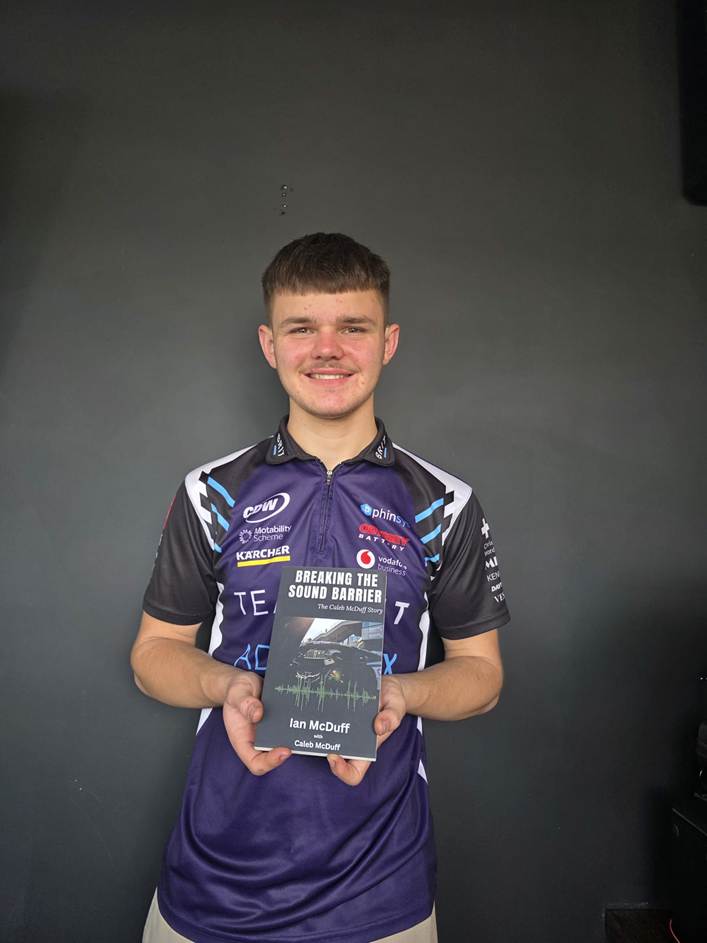
They also work in other areas, beyond the strictly sportive realm. The book “Breaking The Sound Barrier: The Caleb McDuff Story,” was published on September 30th, 2025. The piece, written by both Ian and Caleb, tells the story of the young driver’s life and how he overcame his disability.
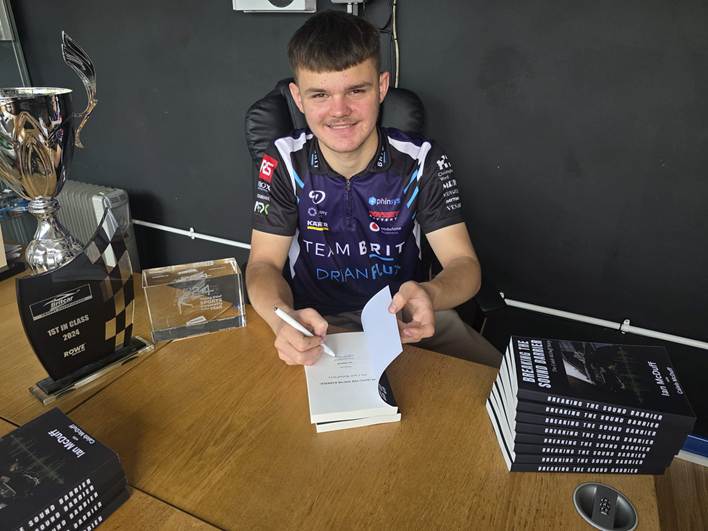
Ian, who manages “a lot” of Caleb’s social media accounts, says that “many deaf people contact us. This is especially because of the book. We’ve also received many messages from parents of deaf children. If they’ve recently discovered that their child is deaf, the first thing they do is search online, and Caleb appears very often in their searches”.
“When you find out your child is deaf, you think they won’t achieve much. It’s a stereotype”. His story, as Ian tells us, serves to “reassure” parents of deaf children. “In this sense, I think Caleb is considered a very strong role model in the deaf world, and the book has helped a lot”.
“It’s not just about racing. In fact, only a small part of it is about that. The book talks about what happens behind the scenes: how we got there and how we, as a family, dealt with our son’s deafness diagnosis. People have read the book and identified with it. They understand what I went through and what Caleb’s mother went through. The idea behind the book is to reassure people that there is a bright future,” Ian emphasizes.
There’s an even more positive aspect: the advancement of technology. It’s changing and making racing increasingly accessible for deaf people, which brings us to another remarkable side of the McDuffs. “We’re involved in a couple of projects that address this issue, and there are a couple of different concepts”.
One, according to Ian, is a visual aid using a screen. “It’s a heads-up display in the driver’s visor. For example, in a fighter aircraft, the pilot has all that information on their visor or on a heads-up display on the dashboard. We’re working with BAE Systems on that concept”.
“We’re also working on text-to-speech and tactile feedback to give quick replies back to the pit crew. We’re involved in a couple of different projects where the team can type or say something. That information would reach the deaf driver as text. They could then respond using a keypad on the steering wheel”.
Caleb’s father also tells us that this tool would be practical for both the driver and the mechanic. “It would be a way to anticipate typical, expected responses. The options would be very easy to select and respond to”.
“Motorsport is the harshest sporting environment in the world,” Ian says. “If we can make these tools work in this sport, they could be used in others as well”. In a sport as demanding in terms of communication as is motor racing, the exchange of information between the driver and those in the pit lane is absolutely crucial.
But the McDuffs don’t limit themselves to the sportive aspect. Ian emphasizes that “even outside of sports, in everyday life, these aids could be applied to many different things”. The aforementioned tools, which transform the communication gap into a sense of connection, would help deaf people, whether they are athletes or not.
From his beginnings in karting to his, so far, short career in Grand Touring, Caleb McDuff has proven himself to be something special. Winning a category (specifically, Cadet Honda) in the Super 1 National Kart Championships isn’t for just anyone. Formula 1 World champions Lewis Hamilton and Jenson Button have triumphed in this tournament, as well as a vice-champion David Coulthard.
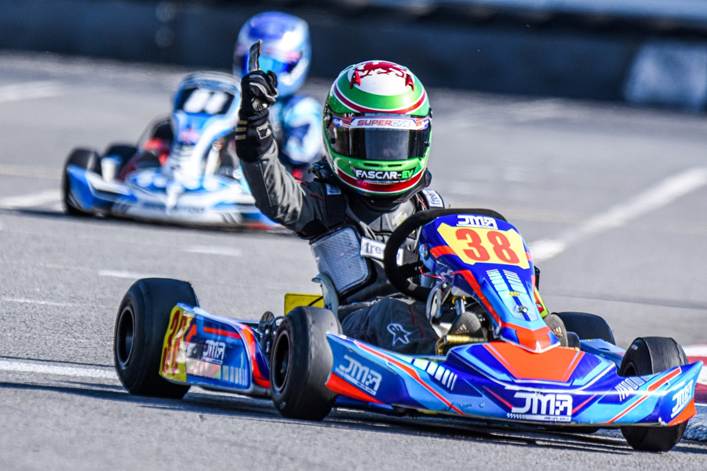
But a lot has changed since 2019, the year where he amazed in the most prestigious event in British karting. In 2020, a year in which the economic recession disrupted many plans, the McDuff family announced to South Wales Argus magazine that they had lost “all support” from their sponsors. A difficult year, but one that, for them, was not the end.
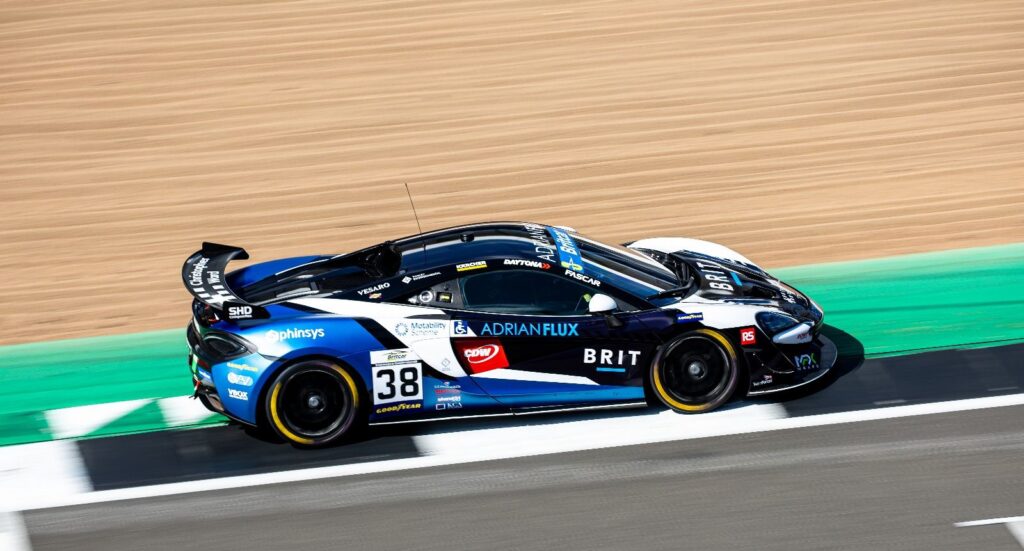
2024 proved that. A victory in his overall class in the Britcar Endurance Championship is his greatest sporting achievement to date. Although, in a broader sense, perhaps the most significant achievement is the progress that both Caleb and his father have made in facilitating access to motorsport for people with hearing loss.
Leave a Reply